
Frugal Living That Does Not Feel Like Deprivation
Frugality does not mean scarcity. It means getting maximum value from every dollar — and the people who do it best often live better than those who spend more.
Reframing Frugality
Frugality has an image problem. It calls to mind deprivation, self-denial, and an obsessive focus on the negative (what you cannot have) rather than the positive (what your intentional spending builds). This image misrepresents what genuine frugality actually looks like in practice among people who have mastered it.
The most frugal people of long acquaintance tend to live well: their homes are comfortable, their tables are full, their experiences are rich. They have simply learned to access the quality of life they want through choices that cost significantly less than the default consumer approach. Frugality at its best is not about having less. It is about the skill and creativity of getting more from less.
The Library as Financial Lever
Public libraries provide extraordinary value relative to their cost, which for most people is zero. Books, audiobooks, e-books, streaming services like Kanopy and Hoopla, newspapers, magazines, genealogy databases, educational software — all available at no cost with a library card. Many families spend hundreds of dollars annually on media and entertainment that their library could provide for free. The library is one of the most overlooked frugality tools available.
Cooking as Financial Strategy
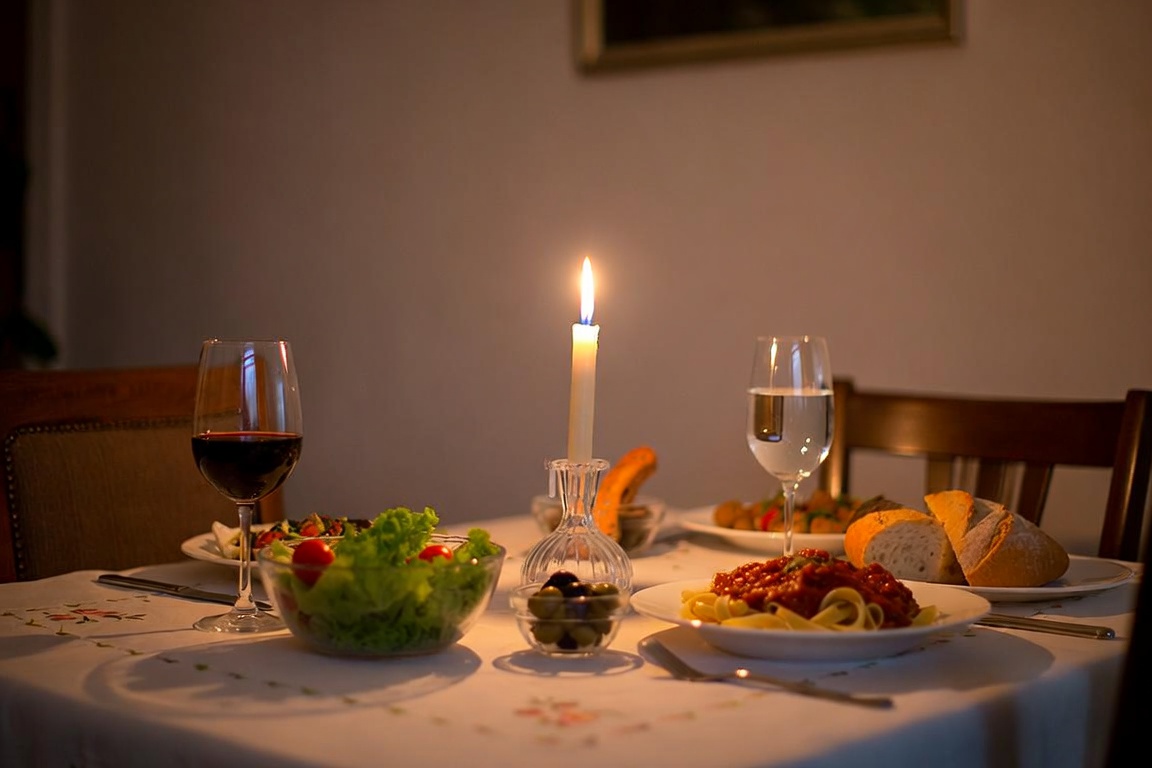
Home cooking is not just cheaper than restaurant and delivery food — the gap is substantial. A meal that costs $15 per person at a restaurant can typically be replicated at home for $3 to $5 per person with modest cooking skills. For a family of four that eats one restaurant meal per week, cooking at home instead saves $30 to $50 per occasion — $1,500 to $2,500 per year from a single behavior change.
The Buy-Nothing Approach to Wants
Many communities have buy-nothing groups — neighborhood networks where members offer and receive items for free. These groups provide a remarkable range of goods: furniture, clothing, household items, toys, tools, food — all without cost. For households working to manage spending, a buy-nothing group provides access to a steady stream of free goods that would otherwise require purchases.
Enjoying What You Have
The deepest form of frugality is the practice of satisfaction: genuinely enjoying what you have rather than perpetually wanting what you do not. This sounds simple and even obvious. In a culture designed to manufacture dissatisfaction in the service of consumption, it is actually a countercultural act. The people who do it well tend to report high satisfaction with their lives and relatively low financial stress — a combination that no amount of spending can purchase directly.
Disclosure: This site may receive compensation when you click on links or complete offers through our partners. Content is for informational purposes only and does not constitute financial advice.