
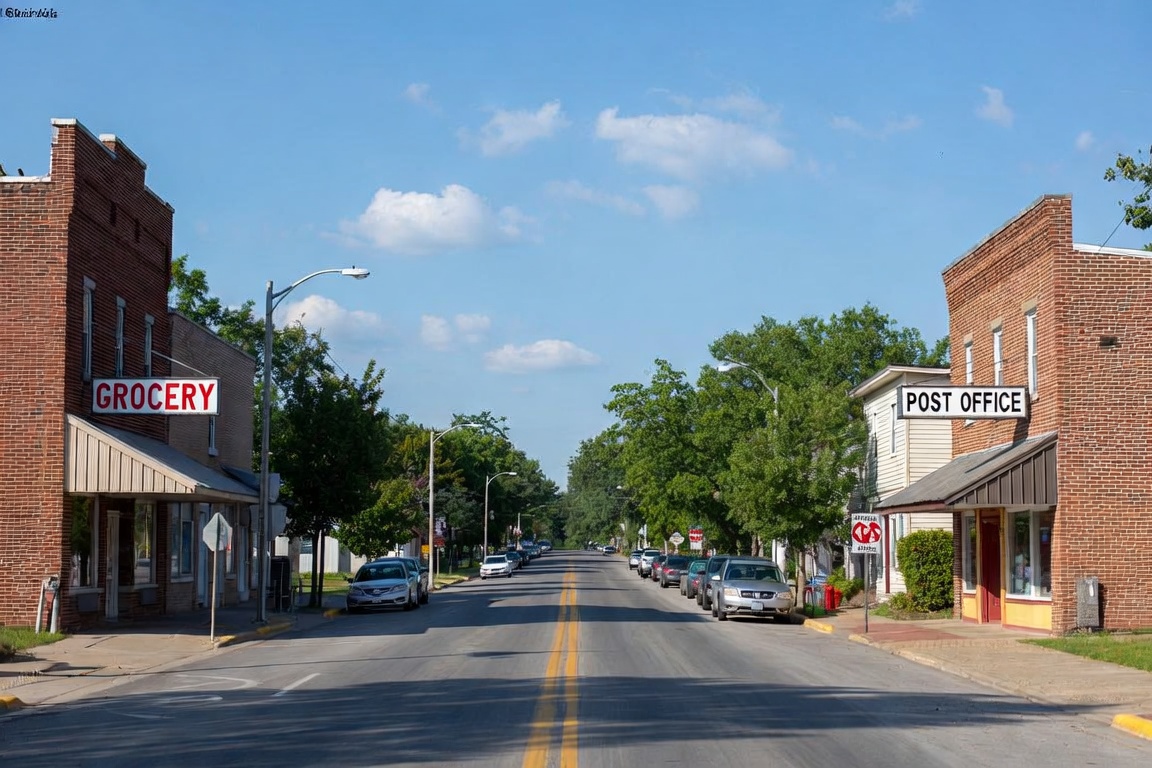
Rural and Small-Town Financial Resources: What Is Available
Rural and small-town residents face unique financial challenges — but also have access to specific resources designed for their communities.
The Rural Financial Landscape
Access to financial resources in rural and small-town communities differs from urban areas in important ways. There may be fewer physical bank branches and financial counseling offices. Some assistance programs have lower funding in rural areas due to population density. Transportation to financial service providers may present a real barrier.
At the same time, rural communities often have strong informal support networks, community-based organizations with deep local knowledge, and federal programs specifically designed for rural residents that are underused due to limited awareness. Understanding the full landscape — both the limitations and the specific opportunities — allows rural residents to access the support that is genuinely available to them.
USDA Rural Development Programs
The USDA Rural Development agency administers a range of programs specifically for rural residents, including housing assistance, community facility loans, and rural utility service programs. These programs are available to residents of communities with populations under certain thresholds — which includes a large portion of the United States — and are substantially underused because most rural residents are not aware they exist.
Rural Electric Cooperatives
Many rural residents receive electricity through electric cooperatives — member-owned utilities that serve areas where investor-owned utilities do not find sufficient profit. These cooperatives often have member assistance programs, energy efficiency programs, and bill assistance resources that are specific to their membership and not widely known. Contacting your local co-op directly to ask what assistance is available frequently produces helpful results.
Online and Remote Financial Resources
The digital expansion of financial counseling has been particularly beneficial for rural residents. Nonprofit credit counseling, financial coaching, and many assistance application processes are now available online or by phone, eliminating the transportation barrier that previously limited rural access to these services. Many community action agencies serve rural areas and offer remote services alongside their local office presence.
Disclosure: This site may receive compensation when you click on links or complete offers through our partners. Content is for informational purposes only and does not constitute financial advice.